Are you missing one or more permanent teeth? Do you have a row of missing teeth? Our modern dental bridges replace missing teeth without standing out. A dental bridge is a restorative dental treatment we provide to new and existing patients in Tampa, FL.
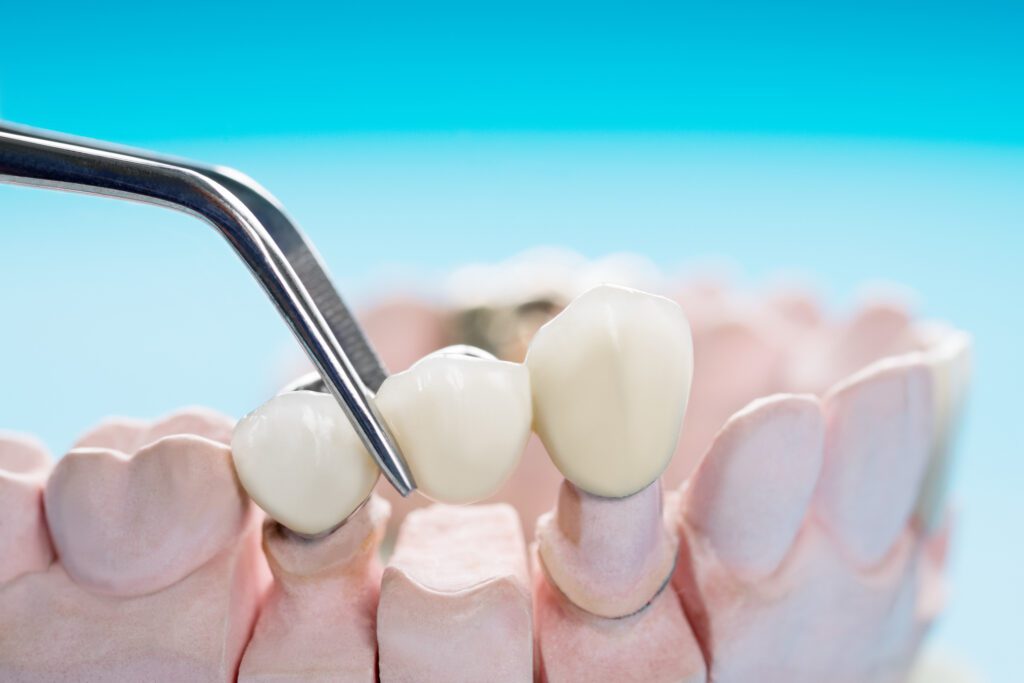
Dr. Rebecca Benedict offers traditional bridges as well as implant-supported bridges. A traditional fixed bridge uses a pontic, abutment, and crowns. The pontic is the false tooth or teeth we create from tooth-colored materials. Abutment teeth are the natural teeth we prepare on either side of the missing tooth gap.
An implant-supported bridge is similar, but it uses dental implants instead of neighboring teeth for support. Historic Hyde Park Dentistry is dedicated to providing you with the best options for your unique needs.
What is a Dental Bridge?
A dental bridge is a custom solution for replacing missing teeth that blends in seamlessly with your natural smile. Think of it like a sturdy bridge crossing a gap. It uses crowns on either end (called abutment teeth) to hold artificial replacement teeth securely in the middle.
We offer several bridge options tailored to different needs:
- Removable Bridges: Removable bridges use metal clasps that hook onto nearby teeth for temporary solutions. They’re not as durable as permanent options.
- Traditional Bridges: Traditional bridges are the most common type,. Crowns cement onto two prepared teeth on either side of the gap for a strong, permanent fix.
- Cantilever Bridge: A cantilever bridge anchors to just one prepared tooth instead of two. They’re for situations where only one adjacent tooth is available.
- Maryland Bridges: The Maryland bridge offers a more conservative approach. It bonds to the backs of neighboring teeth with discreet metal wings rather than using full crowns.
- Implant-supported Bridges: For the most advanced solution, implant-supported bridges use dental implants as anchors instead of your teeth. They preserve your jawbone while providing exceptional stability.
Each type has its advantages. Dr. Benedict will help you decide which bridge best suits your unique situation during your first visit. Fortunately, bridges have many advantages, such as:
- Prevent facial sagging
- Stop teeth from shifting and overcrowding
- Improve bite function
- Maintain the natural face shape
- Help improve speaking and eating function
Contact our Tampa dental office if you have one or more lost teeth and need a restoration. We create dental restorations that blend in with the smile to create more functional, aesthetically pleasing smiles.
Traditional vs. Implant-Secured Dentures
A traditional dental bridge uses support from the natural teeth on either side of a missing tooth gap. We must prepare the natural teeth on either side of the tooth gap for crowns. The crown-capped teeth hold a false tooth or teeth in place. Bridge treatment can take several weeks.
A dental implant can replace a single missing tooth, and also secure a dental bridge. Implant treatment can take months, because you need time for the jaw bone to grow around the implant post.
While traditional dental bridges take less time than implant bridges, implant bridges last longer because they support false teeth at the root. The implant supports the gum tissue and jaw bone beneath the gums.
The Implant Bridge Process Explained
Getting an implant-supported bridge is a multi-step process that will give you the most long-lasting tooth replacement possible. First, Dr. Benedict will take detailed X-rays and examine your mouth to make sure you have enough healthy bone to support the implants. This careful planning helps ensure your success.
If everything looks good, we’ll prepare any remaining teeth that need work and take precise impressions of your mouth. These molds go to our dental lab where technicians craft your custom bridge to match your natural teeth perfectly.
For the implants themselves, an oral surgeon will gently place small titanium posts in your jawbone where your missing teeth were. Here’s where patience comes in. Over the next few months, these posts gradually fuse with your bone through a process called osseointegration. This creates an incredibly strong foundation, just like natural tooth roots.
Once healing is complete, we add abutments. Abutments are special connectors that join your implants to the bridge. Your gums may need a little more time to settle comfortably around these new additions. When everything’s ready, we’ll securely attach your beautiful, custom-crafted bridge.
We’ll guide you through each step and make sure you’re comfortable throughout the entire process. While it takes time, the result is worth it. You’ll have a replacement that looks, feels and functions just like your teeth.
Patient Review
Frequently Asked Questions
How long does a dental bridge typically last?
With proper care, most dental bridges last between 5-15 years. Traditional bridges tend to last about 7-10 years, while implant-supported bridges can last 15 years or longer. Regular dental checkups with Dr. Benedict and good oral hygiene will help extend their lifespan.
Will my dental bridge look natural?
Absolutely! Our dental lab crafts modern bridges using high-quality materials that match your natural teeth in shape, size, and color. Most people won’t be able to tell which teeth are replacements once your bridge is placed.
Does getting a bridge hurt?
The procedure is typically painless as we use local anesthesia. You might feel some mild discomfort or sensitivity after the anesthesia wears off, but this usually goes away within a few days. We’ll provide guidance on managing any temporary discomfort. You can always call our Tampa dental office for guidance after you get a new bridge.
Can I eat normally with a dental bridge?
Yes, but only after a short adjustment period. While you should avoid extremely hard or sticky foods at first, most patients return to eating all their favorite foods comfortably. Implant-supported bridges offer particularly strong chewing ability. After a short adjustment period, you’ll be able to eat whatever you want.
There may be a short adjustment period where your speech feels slightly different too. Most patients adapt quickly. The bridge can actually help improve speech that was affected by missing teeth.
How do I clean my dental bridge?
You need to pay special attention when cleaning under the false tooth and around the crowns. We’ll show you how to use floss threaders, interdental brushes, or water flossers to keep your bridge and surrounding teeth clean and healthy.
What happens if my bridge comes loose?
If your bridge feels loose or comes off, contact us immediately. Don’t try to reattach it yourself. We can usually re-cement a loose bridge if caught early, but waiting too long could allow teeth to shift. If you wait too long, we may have to do a new bridge treatment.
Can I get a bridge if I’ve had missing teeth for years?
In most cases, yes. Even if you have been missing teeth for a while, we can still place a bridge. However, long-term missing teeth might need additional procedures like bone grafting first, especially for implant bridges.
Does dental insurance cover bridges?
Many insurance plans cover part of the cost for traditional bridges, typically 50-80%. Coverage for implant bridges varies more widely. Our office can help verify your benefits and discuss payment options.
How soon after tooth loss should I get a bridge?
It’s best to replace missing teeth within a few months to prevent shifting of surrounding teeth. However, we can place bridges even years after tooth loss. We’ll just need to evaluate your specific situation first.
Restore Missing Teeth Today
Do you want to replace your teeth permanently? Contact Dr. Rebecca Benedict for a dental bridge today.
Call our dental office in Tampa, FL, at 813-733-6981. You may also schedule an appointment online and we’ll get back to you shortly. If you have questions about bridge treatment, let us know at your next visit.